
You usually do not think about packaging until something goes wrong with it. For example a pallet might shift during transport and products can arrive damaged.. Maybe dispatch gets delayed because you ran out of stock. That is when you realise that packaging is not something you have to pay for. It is actually a way to control your operation. If you are looking for packaging supplies in Auckland the real question is what will actually keep your goods secure and your workflow smooth.
Most businesses compare two options: suppliers or imported stock. Imported products often seem cheaper at first especially when you buy a lot of them.. Local suppliers are faster and more reliable and they can support you better. The right decision depends on how your business handles demand, inventory and delivery timelines across Auckland and beyond.
Local Packaging Suppliers in Auckland: Built for Speed and Stability
Local suppliers work well because they do things the way businesses actually do them. Orders can change quickly. Demand can increase suddenly. When that happens waiting for shipments is not practical. Businesses that use packaging supplies in Auckland can respond immediately instead of planning weeks ahead for every small change.
Another advantage of suppliers is that they have practical knowledge. They know how things are transported in New Zealand and how the environment can affect packaging. This helps businesses choose the materials without wasting time trying different things. Over time this means damaged goods, smoother dispatch and more confidence in daily operations.
Imported Packaging Supplies: Where the Hidden Costs Appear
Imported packaging seems attractive because it is cheaper at first. For businesses that have to keep costs this can seem like an easy choice. However once you start relying on imported packaging suppliers in Auckland the problems become more obvious. Delays, quality and limited support may seem minor at first but they can quickly become bigger issues.
The problem is not just that things are delayed. It is also that you cannot predict what will happen. One shipment arrives on time the next one gets held up. One batch of products is good the next one is not as good. These variations make it hard to plan your workflow. To deal with this businesses often keep stock than they need. This increases storage costs. Ties up money that could be used for other things. What seemed like a deal at first can slowly become a bad choice.
What Auckland Businesses Actually Need from Packaging
businesses are not looking for the cheapest option. They want consistency. Packaging needs to work the way every day no matter what kind of load it is or how far it has to travel. Whether you are moving goods across Auckland or to regions stability is what matters most.
This is why many companies prefer packaging supplies in Auckland. The materials are chosen with real-world use in mind. Of guessing what might work businesses can rely on solutions that have been proven to work. Over time this reduces problems. Allows teams to focus on getting things done instead of fixing preventable issues.
The Core Products That Keep Operations Running Smoothly
Certain packaging materials play a critical role in day-to-day operations. If these fail, everything else slows down. Choosing the right combination of products ensures that goods stay secure from warehouse to delivery point.
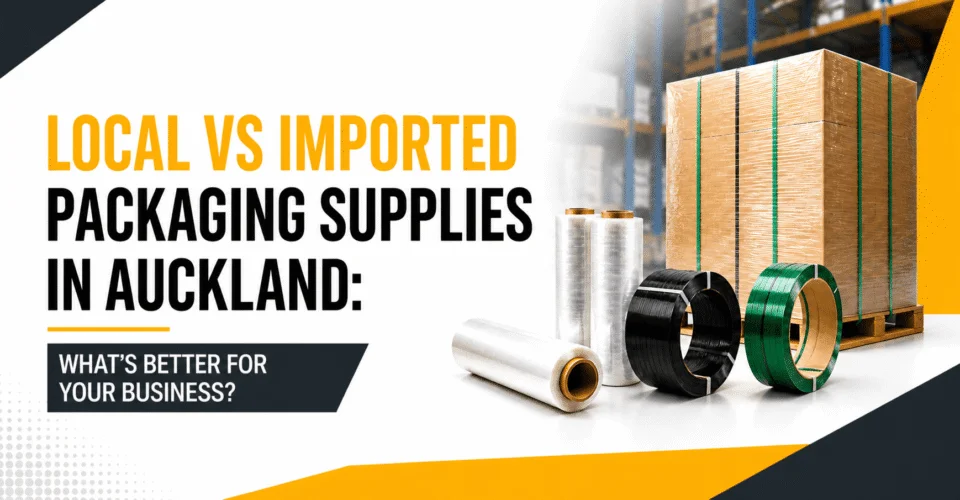
- Stretch film helps stabilise pallet loads and prevents shifting during transit
- PET and PP strapping provide strong bundling for heavy or uneven items
- Pallet wrap protects goods from dust, moisture, and handling damage
Using reliable packaging suppliers in Auckland for these essentials reduces the risk of damage and rework. It also improves efficiency, as staff spend less time fixing unstable loads.
Supply Chains in Auckland Demand Flexibility
New Zealands logistics environment is different from global markets. Distances, shipping schedules and port delays all affect how quickly goods move. When businesses depend heavily on imported packaging supplies in Auckland they have to plan around uncertainty.
This usually means keeping stock than needed. While it reduces the risk of running out it introduces challenges. More inventory means storage costs and less flexibility. On the hand local sourcing allows businesses to operate more efficiently. You can order what you need closer to when you need it which keeps cash flow healthier and reduces pressure on warehouse space.
Cost vs Reliability: What Actually Impacts Profit
The biggest mistake businesses make is focusing only on unit price. Packaging costs are not limited to what you pay per roll or per strap. They show up in operations, often in ways that are easy to overlook at first.
- Damaged goods increase replacement and refund costs
- Extra labour is needed to fix unstable or poorly wrapped loads
- Dispatch delays affect delivery commitments and customer satisfaction
- Stock shortages slow down workflow and reduce output
Reliable packaging suppliers in Auckland help minimise these risks. When packaging performs consistently, operations become more predictable, and overall costs stay under control.
Choosing the Right Packaging Supplier in Auckland
A supplier should do more than just deliver products. They should understand your business enough to recommend the right solutions. This includes suggesting the film thickness, the right type of strapping and practical ways to improve load stability.
When evaluating suppliers for packaging supplies in Auckland businesses should look at reliability first. Consistent stock availability, fast delivery and clear communication make a difference in day-to-day operations. Over time working with the supplier reduces guesswork and builds confidence across your team.
When Imported Packaging Still Works
Imported packaging is not always a bad choice. For businesses with demand and accurate forecasting it can offer cost advantages. Buying in works best when usage patterns are predictable and storage capacity is not an issue.
In these cases many businesses avoid relying entirely on imports. They keep items sourced locally to avoid disruptions. This creates a safety layer that protects operations if delays or quality issues arise with imported stock.
A Balanced Approach That Actually Works
The effective strategy is not choosing one option over the other. It is combining both. Local packaging supplies in Auckland handle needs and high-risk items while imported stock supports long-term cost planning.
This balance gives businesses flexibility. You reduce dependency on supply chains while still managing costs effectively. It also allows you to adapt quickly when demand shifts, which’s essential in a competitive market like Auckland.
Final Take: What Should You Choose?
There is no one-size-fits-all answer. The right choice depends on how your business operates, how your demand changes and how much risk you are willing to manage. For Auckland businesses reliability tends to deliver better long-term results than chasing the lowest price.
If your current setup is causing delays, damage or unnecessary stress it is worth reassessing your approach. Choosing the packaging supplie in Auckland is not just about buying materials. It is, about building a system that keeps your operations stable, efficient and ready to grow.
1. Is imported packaging really cheaper in the long run?
At first, it can look cheaper, especially when you’re buying in bulk. But once you factor in delays, inconsistent quality, and the need to hold extra stock, the cost often goes up. Many businesses realise the “savings” disappear over time.
2. Why do businesses prefer local packaging suppliers in Auckland?
Because things don’t always go as planned. Local suppliers give you faster delivery, better support, and flexibility when demand suddenly changes. That control matters more than small price differences.
3. When does imported packaging actually make sense?
It works best when your demand is stable and predictable. If you know exactly how much you need and have enough storage, bulk importing can reduce costs. But relying only on imports is risky for most businesses.
4. What are the most important packaging materials for daily operations?
The basics that can’t fail are stretch film, strapping (PET or PP), and pallet wrap. If these don’t perform properly, you’ll deal with damaged goods, rework, and delays very quickly.
5. Should businesses choose local or imported packaging?
In most cases, the smart move is not choosing one. It’s using both. Local suppliers for urgent needs and consistency, and imported stock for cost control where possible. That balance gives you flexibility without risking operations.